How do you prefer to engage with God’s Word?
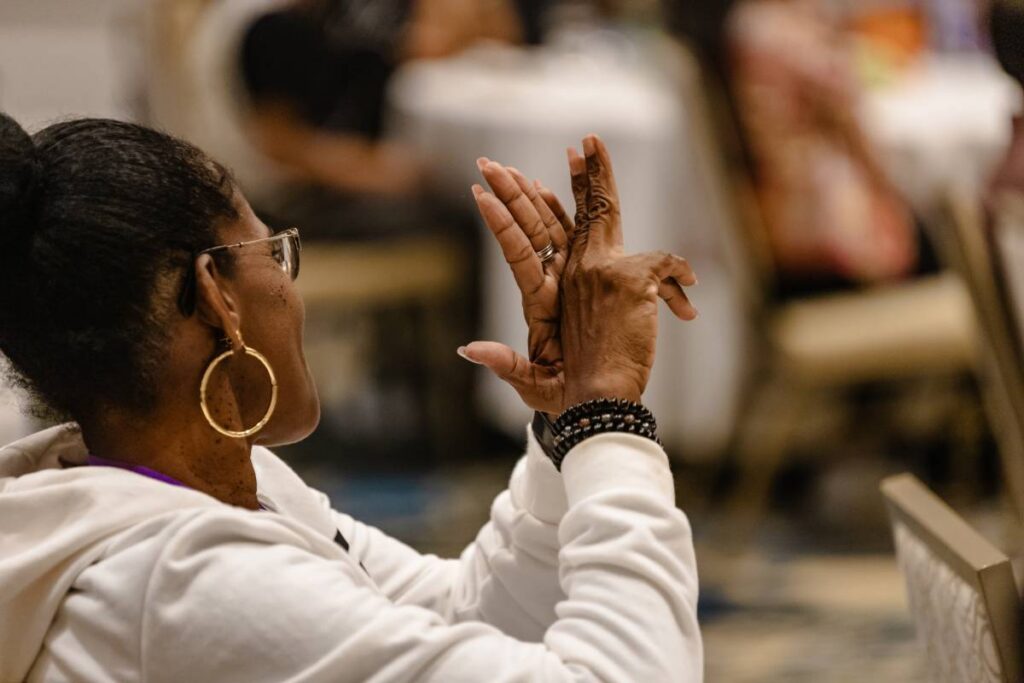
God gave us senses to engage with the world around us — sight, hearing, smell, taste and touch. Through these means, we experience His masterful creation that displays His glory and might. But did you know that Scripture can also be a multisensory experience?
Engaging with Scripture doesn’t have to be boring. It can be dynamic, conversational and even fun! People are drawn to Scripture-based stories like “The Chosen” or Angel Studio’s film “David” because we are multisensory — we long to experience the Bible through all of our senses, not just through reading words on a page.
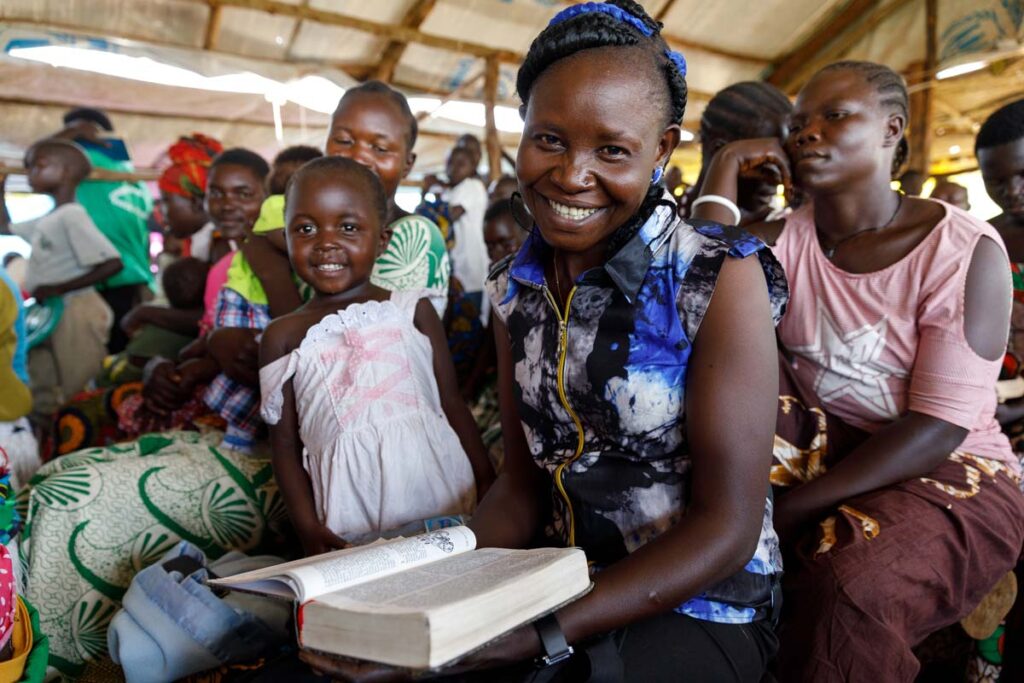
In Isaiah 55:11, the Lord declares: “It is the same with my word. I send it out, and it always produces fruit. It will accomplish all I want it to, and it will prosper everywhere I send it” (NLT). And that’s exactly what’s happening, not only in the U.S. but in countries around the world. People are engaging with Scripture in multisensory and multimodal ways — reading, watching, hearing or acting — and, as a result, their lives are being transformed.
As followers of Jesus, we each have varying levels of Scriptural knowledge. These levels can depend on how long we’ve been believers, how in-depth our study of the Word is, or even how frequently we choose to engage with Scripture.
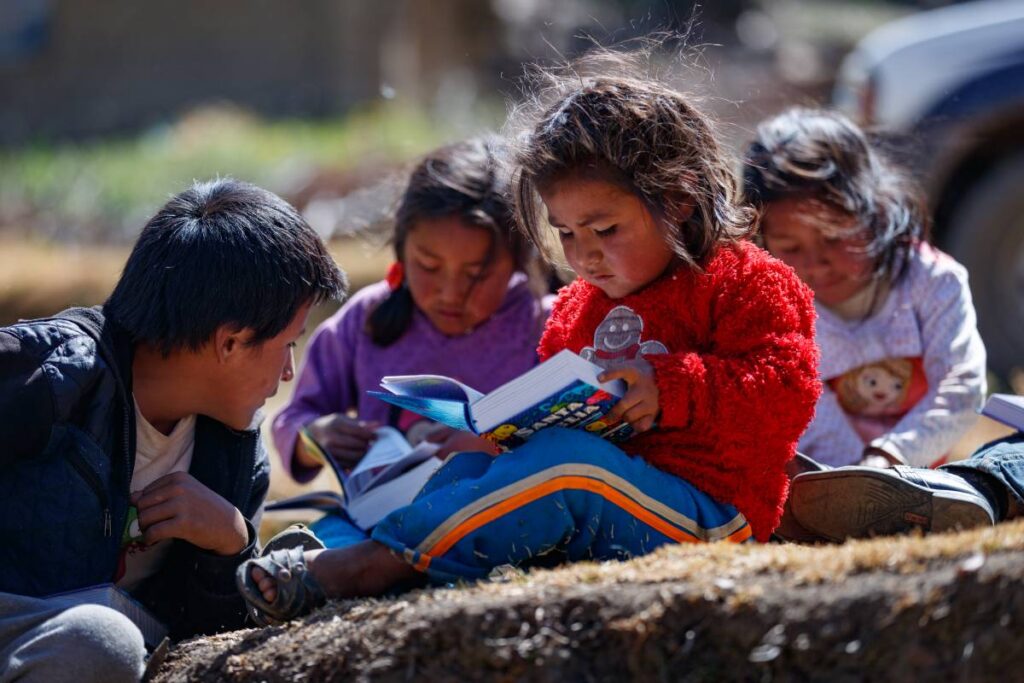
As with most things in life, we often get out what we put in; the more time and energy we invest in God’s Word, the more fruit we experience from not only Scripture but also our relationship with Jesus.
But what if you didn’t have access to Scripture in a language and format you could clearly understand? What if you didn’t have any Scripture at all?
That’s why Bible translation exists: Because we believe that God’s Word should be available for all people, giving them the opportunity to encounter Jesus personally and experience His love in ways that not only make sense to them but also speak directly to their hearts.
Scripture Brought to Life
When was the last time you engaged with Scripture in multisensory ways? In the West, it’s very easy to break it down and focus on only one or two senses at a time. We do this through:
- Reading the Bible
- Listening to a podcast
- Watching a Bible-based show or movie
But what happens when we combine these into a multisensory experience? That’s exactly what is happening in many communities around the world as they translate the Bible into their own languages. It’s done through a process called FIA, which stands for familiarization, internalization and articulation.
At its core, FIA is a hands-on, experiential method of oral Bible translation (the translation of Scripture for oral cultures and communities without a written language). It’s also being used in sign language Bible translation, as Deaf participants bring Scripture to life through physical reenactments and in-depth study. The approach invites broad participation from local communities; engages the intellect, emotion and body in the translation process; and leverages consultant-checked exegetical resources that lead to high-quality Scripture translation.
Participants experience six steps that guide them through the process of familiarizing, internalizing and articulating Scripture passages. Each one is designed to build a comprehensive understanding of what is happening in the verse or passage as participants collectively consider: “How would this step help us make a clear, meaningful translation of this passage?” Once all six FIA steps are completed, the end product is a draft of a translated Scripture passage.
One exciting thing about FIA is that those involved are often transformed by Scripture through the very process of translating it — some from within communities with no available verses in their language prior to engaging in this process! Through each passage they tackle as a team, they gain a deeper understanding of who God is and what He’s communicating to His people.
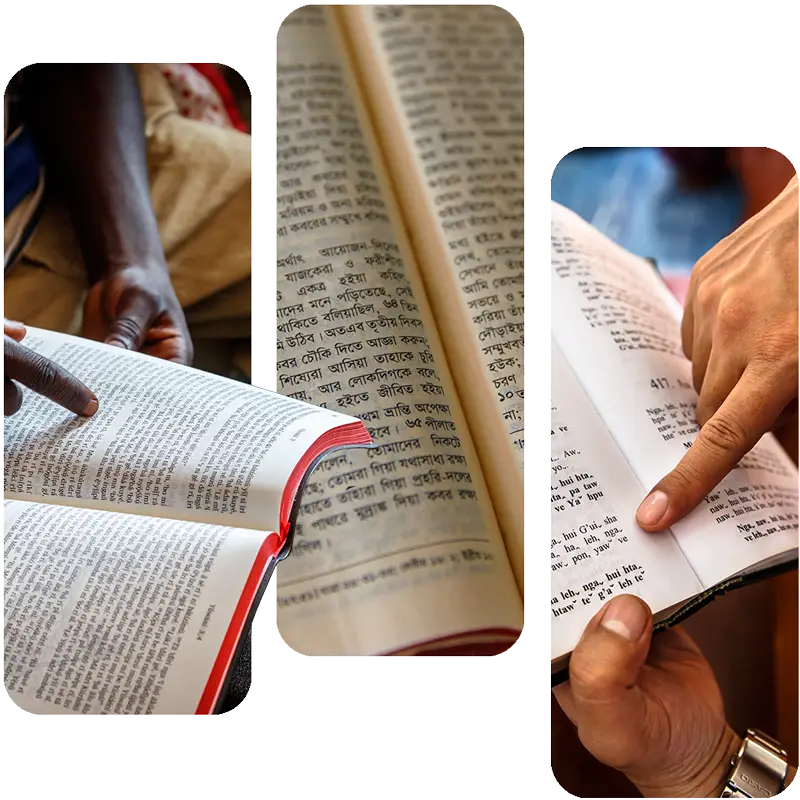
For millions of people around the world, their Bible is blank or incomplete. Some communities don’t have any Scripture, and others are still waiting to have the full counsel of God’s Word. When your church hosts an Adopt-a-Verse event, you become part of a global story of faith, generosity and transformation.
Make a difference through Adopt-a-Verse →
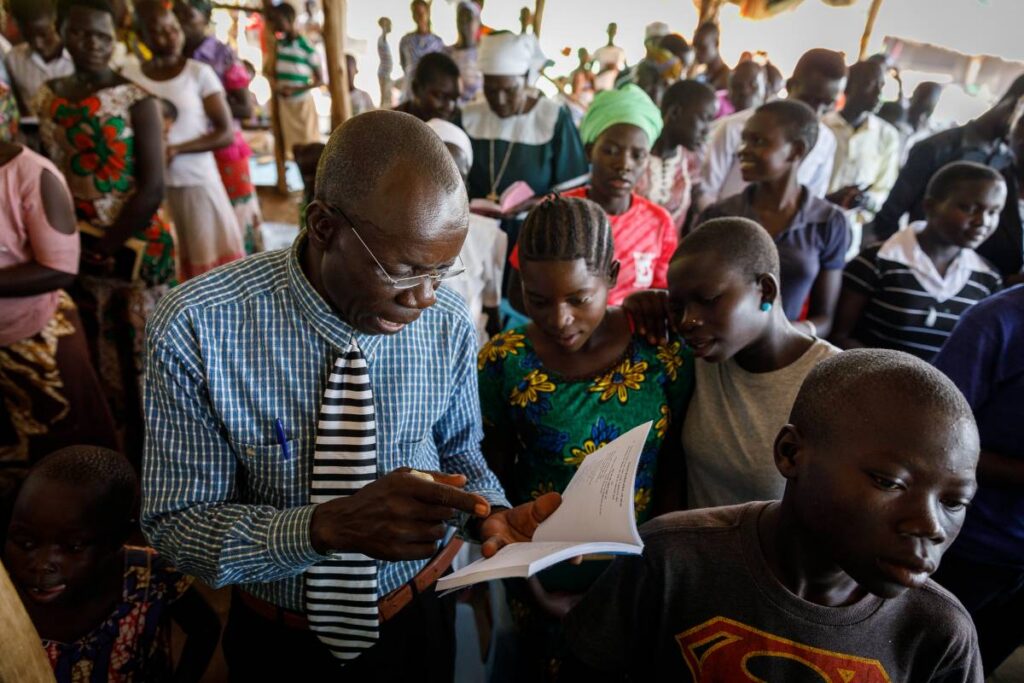
Familiarization, Internalization and Articulation Exercise
If you’re looking to shake up your engagement with Scripture, the FIA process is a rich way to glean new or deeper meaning from God’s Word! We call this “FIA Lite” because it’s not as in-depth as the process translation teams use, but it can still breathe new life into how you engage with biblical passages. Here’s a quick overview of the familiarization, internalization and articulation process:
STEP 1: Hear and Heart
To get started, a translation team will listen to the passage of Scripture in a language of wider communication and in as many translations as they can. Then they will discuss the passage together, asking questions like:
-
- What do you like in this passage?
- What do you not like or not understand in this passage?
- What does this passage tell us about God, Jesus or the Holy Spirit?
- What does this passage tell us about people?
- How does this passage affect our daily lives?
STEP 2: Setting the Stage
Now the team listens to the whole context of a passage. This context might be historical, cultural, linguistic or geographical. For example, they might look at pictures and maps to better understand the passage’s context. They will then discuss some of that context as a group and how it relates to their own culture.
STEP 3: Defining the Scenes
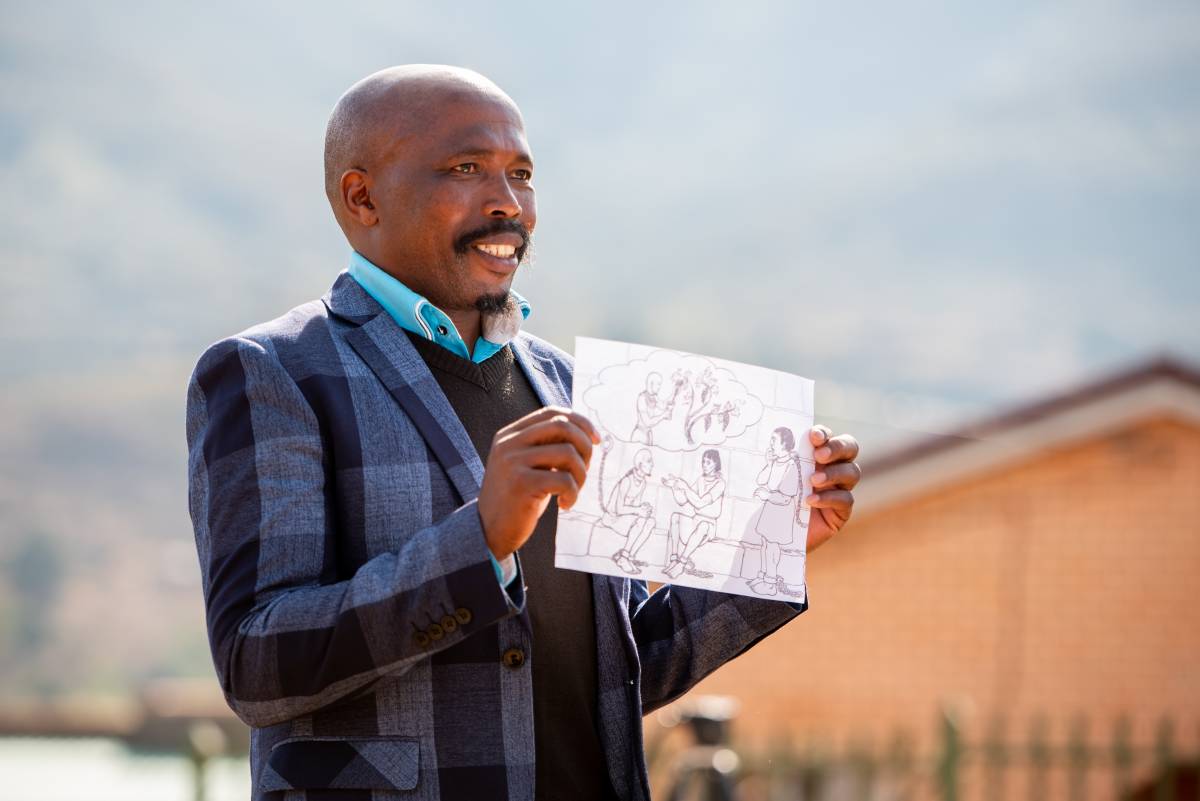
Now that the stage is set, the translation team will explore the different scenes and characters in the passage. They may visualize the setting and narrative by drawing, storyboarding, or creating dioramas for greater understanding.
STEP 4: Embodying the Text
The Bible isn’t made up of just words on a page! Inside are the real stories of real people. To help bring the story to life, the translation team acts out the story twice. The first time, they act out the story with a focus on the flow of events. The second time, they stop at different points in the story and discuss what different characters might be feeling or thinking — and how that impacts meaning.
STEP 5: Filling the Gaps
Now that the passage has come to life, the translation team shifts their focus to the specific terms and concepts in the story, accessing FIA knowledge resources as needed. Then they discuss how they express these things in their language and begin choosing how to translate certain words and phrases.
STEP 6: Speaking the Word
As the final step in the process, the translation team practices speaking or signing the passage in their language. As a group, they discuss the words and phrases they will use when drafting their oral translation.
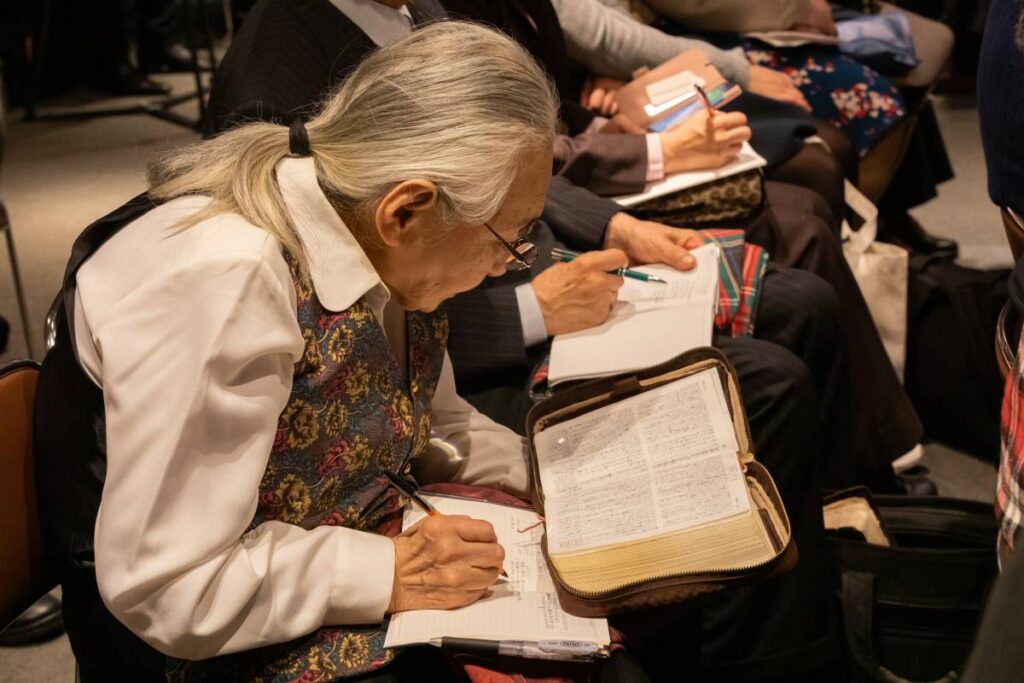
This process isn’t quick, nor is it meant to be shallow; it requires vulnerability, contemplation and intentionality. It involves wrestling with Scripture and thinking through ways to bring it to life without adding or subtracting anything from these God-breathed verses. The end result is seeing God’s Word come to life in ways that communities can clearly understand.
God’s Word for All People, That All May Be Transformed
Wycliffe and our partners are continuing to pursue a day when God’s Word is available to all people in the languages and formats they can clearly understand, so they can meet Jesus personally and be transformed.
But don’t take our word for it! Get a taste of the life transformation that happens when people are able to read, hear or watch Scripture come to life in a way that captures their hearts forever.
God Speaks Akebu
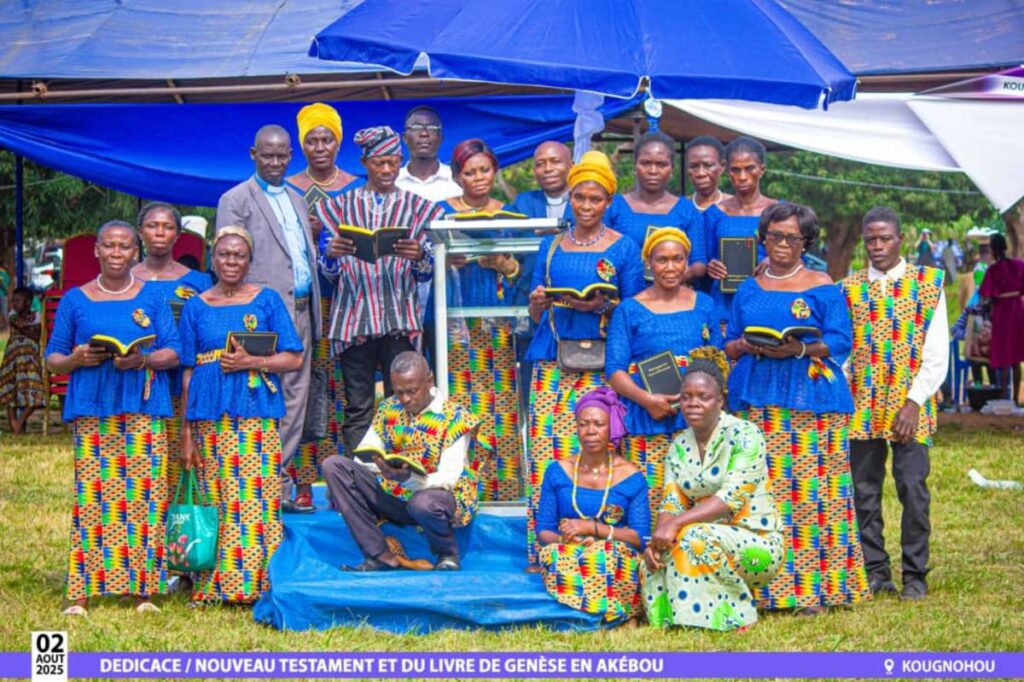
Alex has been a Christian for 25 years. But something incredibly emotional happened when he received the Word of God in his own language of Akebu.
He said: “When I learned that the New Testament had been translated and was going to be dedicated in the Akebu language, my heart was filled with enthusiasm. … I was able to follow the entire dedication on [a gospel radio station]. What I saw and heard deeply moved me. Tears streamed down my face, and I couldn’t hold them back. I asked myself: ‘Is the Word of God really translated into Akebu? Is that possible?’
“Driven by this emotion, I decided to visit my brother, Junior, a member of the translation team. … Once I arrived, I asked him to show me the New Testament in Akebu. When he handed it to me, I held it in my arms like a treasure … and burst into tears. My tears flowed so freely that my brother became concerned. I was overwhelmed with emotion.
“I then asked him to read John 3:16 to me in our language. And when he finished reading, I asked him this question: ‘Is this really what God wants to tell me?’ For 25 years, I had heard this verse, read it, preached it … but I had never understood it as I did that day. Listening to it in my mother tongue, it was as if God was sitting next to me, speaking to me directly, heart-to-heart.
“That day, I understood that God also speaks Akebu and that He wants each of us to hear His voice in the language that touches our soul most deeply.”
God’s Word for the Tewoyan
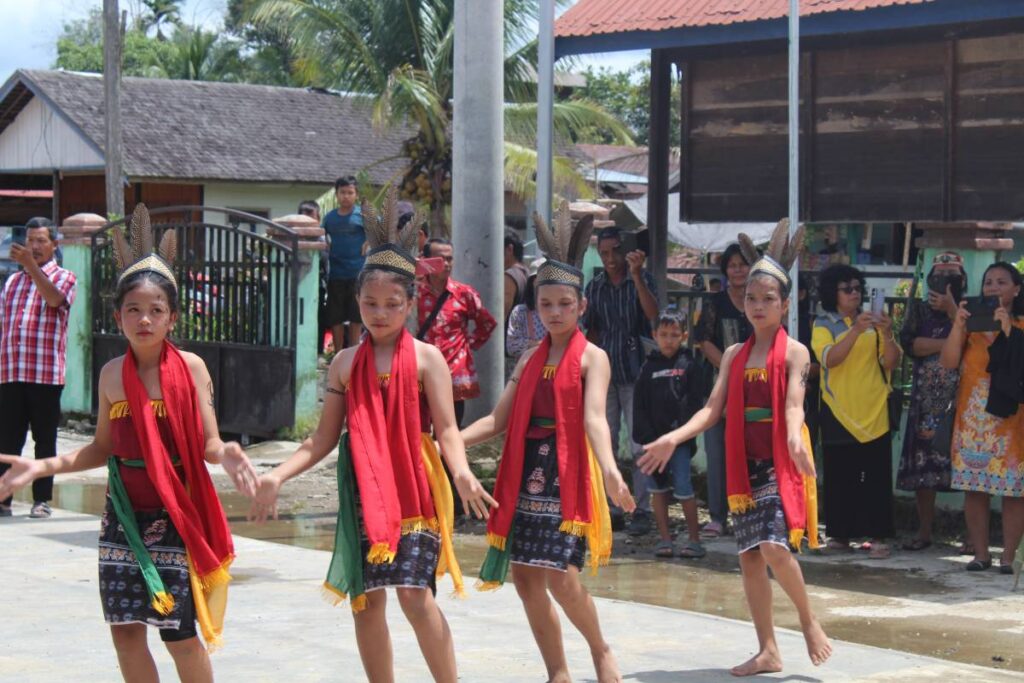
“After more than 10 years, finally today we have the Bible in our language.”
Pak’s voice wavered as he made the declaration to those gathered for the event in Indonesia. The New Testament in Tewoyan was finally complete! This is the team that Pak served with as a translator for the past few years.
It’s also the very same team that he wasn’t supposed to be on.
At the start of the project, Pak had applied to be a translator. At the time, however, he wasn’t chosen to participate. “Originally, I didn’t pass the translation selection,” he shared in his speech. “I didn’t qualify as a translator.”
But God hadn’t dismissed Pak from His services just yet. In the years that followed, Pak would eventually qualify for the position. Now he is honored to have been used by God to bring this translation of Scripture to fruition.
As Pak reflected on his own journey, those around him processed the magnitude of this occasion. One woman said, “I am grateful that I can finally see the Tewoyan [New Testament]; I thought I would not live long enough to see the Word of God available in our language.”
Explore more stories of life transformation through the Bible Translation Experience, an interactive storytelling website.
Scripture for Every Heart, Everywhere
God is on the move, and He’s accelerating the work of Bible translation all around the world. Whether it’s through processes like FIA, sign language Bible translation using AI technology or otherwise, it’s not just about the translation of Scripture — it’s about the lives that are transformed because they’ve been able to experience Jesus personally.
Together, let’s step out prayerfully and in bold faith, participating with God:
- To see Bible translation start for every language still needing it
- To equip the Church for evangelism, discipleship and church planting
- To make Scripture available so that every man, woman and child can encounter Jesus personally and understand His love in a way that transforms their lives forever
In partnership, we move forward with confident anticipation toward the day when people “from every nation and tribe and people and language” will stand together and worship God (see Revelation 7:9a, NLT). Yes and amen!