Bible Translation By the Numbers
Bible translation is complex and nuanced. There’s no one-size-fits-all approach, but if you’re interested in digging deeper into the inner workings of this movement, you’ve come to the right place!
Before we dive into the data, let’s first paint a picture of why Wycliffe believes that Bible translation is a critical part of equipping the global Church to live out God’s mission for them — to make His name known among the nations.
Scripture for Everyone
Imagine reading a book, watching a show or listening to a podcast when suddenly the story just stops mid-sentence. Maybe the previous reader has ripped out a page, the series got canceled before the showrunners could wrap up the plotline, or the producer distributed the episode before realizing it was incomplete. How incredibly frustrating to not experience the full story from start to finish!
Scripture for Everyone
Imagine reading a book, watching a show or listening to a podcast when suddenly the story just stops mid-sentence. Maybe the previous reader has ripped out a page, the series got canceled before the showrunners could wrap up the plotline, or the producer distributed the episode before realizing it was incomplete. How incredibly frustrating to not experience the full story from start to finish!
That’s exactly why we want everyone to have the whole counsel of God’s Word — because without it, it’s like you’re receiving only a teaser of God’s great story. You get a taste — and perhaps a big enough taste to understand who Jesus is and that He died for you — but you don’t have the full context as to why His sacrifice was so significant.
The Bible changes everything, and we believe that everyone should have access to the whole of Scripture. This not only impacts lives here on earth but for all eternity!
Together with our partners, Wycliffe desires to see a day when every man, woman and child is able to encounter Jesus personally through Scripture in a language and format they clearly understand. And when that happens, everything changes.
That’s exactly why we want everyone to have the whole counsel of God’s Word — because without it, it’s like you’re receiving only a teaser of God’s great story. You get a taste — and perhaps a big enough taste to understand who Jesus is and that He died for you — but you don’t have the full context as to why His sacrifice was so significant.
The Bible changes everything, and we believe that everyone should have access to the whole of Scripture. This not only impacts lives here on earth but for all eternity!
Together with our partners, Wycliffe desires to see a day when every man, woman and child is able to encounter Jesus personally through Scripture in a language and format they clearly understand. And when that happens, everything changes.
Explore this “H ly B bl : Incomplete Scriptures” digital booklet to see what it’s like to have gaps in your understanding of the Bible.
A Church-Led Approach
Local church leaders recognize that lack of Scripture is a massive barrier to evangelism, discipleship, church planting and other forms of ministry.
The local church is poised and ready; many just didn’t realize that Bible translation was something they could do for their own communities and countries.
As churches increasingly take ownership and Bible translation accelerates, Wycliffe transitions to the critical role of catalyst in the movement worldwide. Decades of expertise strategically position us to support local leaders in accomplishing their vision through technology, resources and funding. This equips the local church’s ownership of the work in their communities, countries and even entire regions.
Over the last few years, the known remaining languages that need Bible translation to start for the first time have dropped significantly.
Known Remaining Need
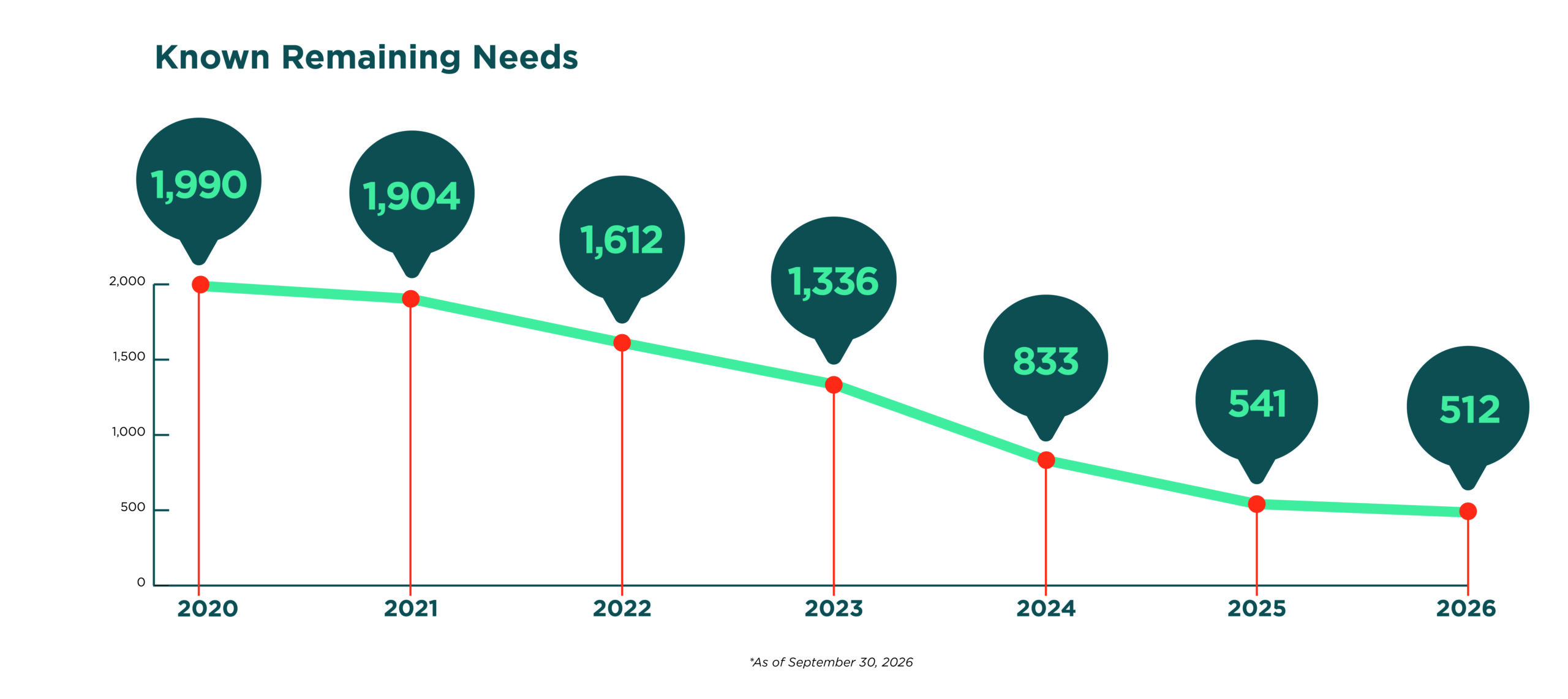
Wycliffe isn’t just about starting Bible translation; we’re about completing Bible translation. And while Vision 2025 was a critical mile marker in this journey, it’s not the finish line; it’s simply the starting point.
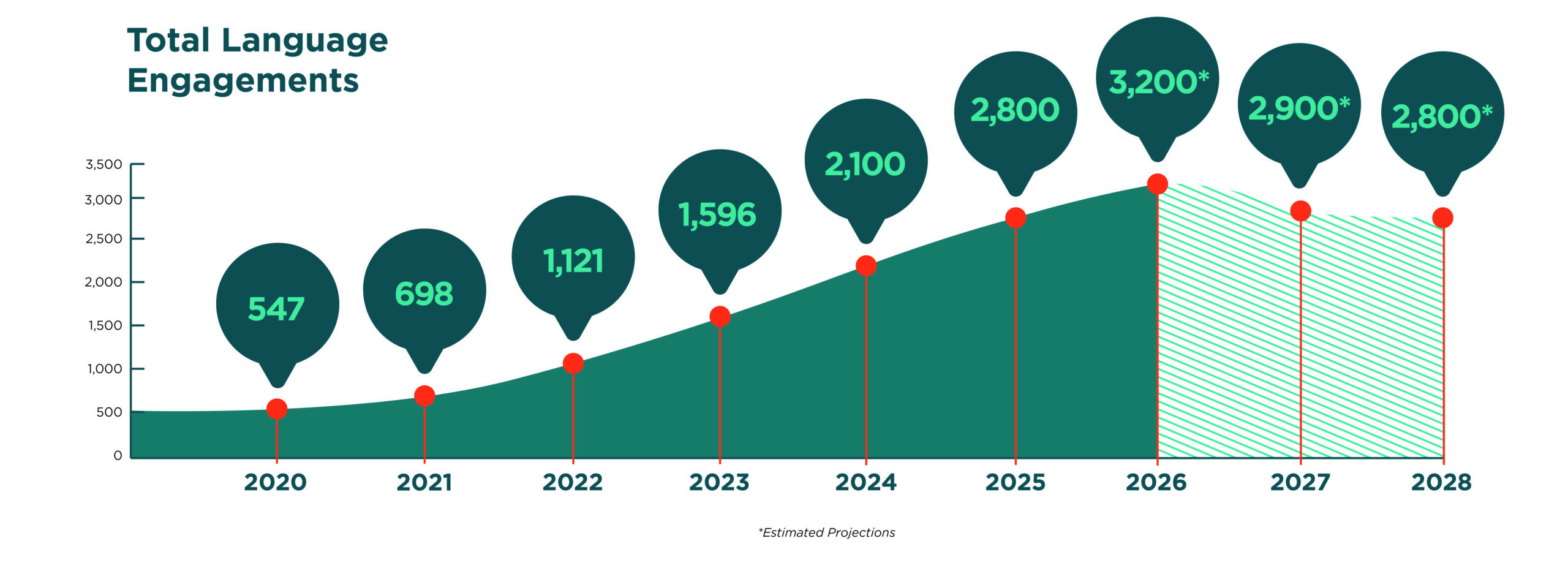
Together with our partners, Wycliffe continues to ask God to open doors to engage these remaining known languages that need Bible translation for the first time. We’ve also seen Wycliffe USA’s language engagements increase significantly as we continue to sustain and complete work in more than 3,200 languages around the world.
Wycliffe USA Total Language Engagements
Bible Translation By the Numbers
Wycliffe desires for all people to have access to God’s Word in a language and format they clearly understand.

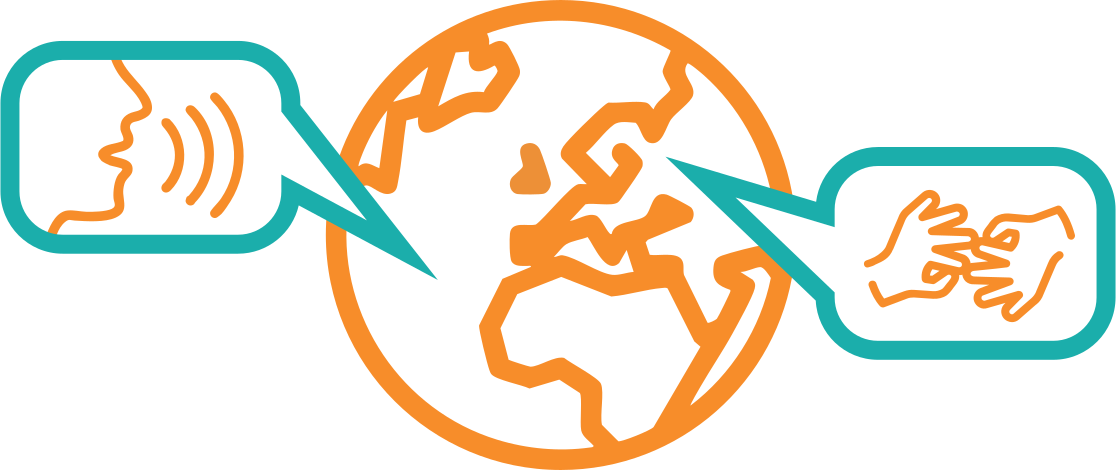
There are nearly
7,400
known spoken or signed
languages used by more than
8 billion
people around the world.

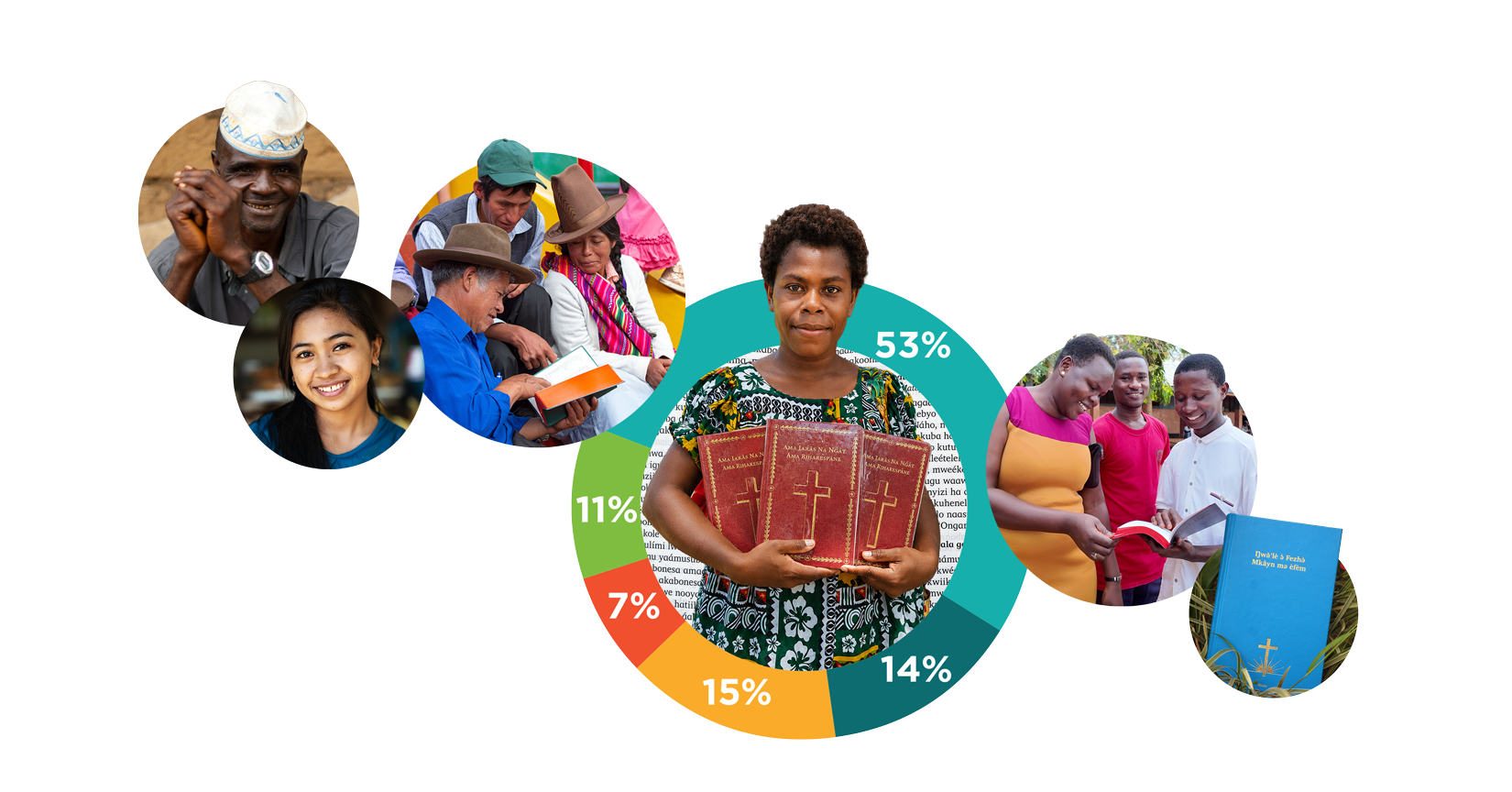
Language Counts
Together with our partners, Wycliffe prayerfully asks God to lead us in discerning how to work alongside local churches to see Scripture translated into the languages and formats that communities need. This equips them for evangelism, discipleship and church planting, and results in transformed lives as people encounter Jesus through Scripture.
Frequently Asked Questions
Launched in 1999, Vision 2025 was a God-sized goal adopted by Wycliffe and other key strategic partners to see Bible translation started in every language still needing it by the year 2025. God used this vision to do more than we could have ever imagined! To learn more, enjoy this inspiring video from our partner Urbana around the story of Bible translation and how Vision 2025 propelled the mission forward in new ways.
For the purposes of this data, the term “known remaining needs” includes language communities that:
- Are vital enough to sustain and benefit from translation work
- Do not have any project engagement currently (no “Work in Progress”)
- Do not have any translated Scripture
- Do not have a stated preference to use Scripture in another language
Great eye! Amazingly, the number of languages with active work is even higher than the number we show in the pie chart, because some communities that already have full Bibles are now engaged in revisions or additional translations (just as we have multiple translations in English)! For the purposes of this data, we’re only including work on a first translation in this category.
“No current needs” reflects complex considerations regarding language viability and multilingualism, as informed by current assessments.
To be considered viable for the purposes of Bible translation, a language must have functional, stable and active use across generations within the community — meaning it is both widely recognized and sustainable.
In addition, in our increasingly multilingual world, many communities now have access to Scripture in a second language that is clearly understood, valued and used by community members in various domains of daily life.
As we work closely with partners to carefully assess the actual language practices of a specific community and determine the needs around Bible translation, our shared desire is to see informed, context-sensitive decisions made that increase the likelihood of meaningful comprehension, engagement and transformation.
When a language group does not appear to have an established local church, we first begin with humility, recognizing that our understanding of the body of Christ is often limited by our networks, access or visibility. Oftentimes — especially in difficult or restricted contexts — we discover that the Church is indeed present and active there. For this reason, we intentionally work through partnerships and explore collaborations beyond our usual spaces, trusting that God is already at work in ways we may not initially see.
We also recognize that “church” may look different in various contexts. While every project is undertaken with one or more partners that we refer to as "the local expression of the Church," the partner may be a congregation, an organization, a network of believers or trusted members of the local community.
If no such partner is immediately identifiable within the language group, we identify the closest church, church-planting movement or disciple-making organization with a clear calling to reach that specific language community.
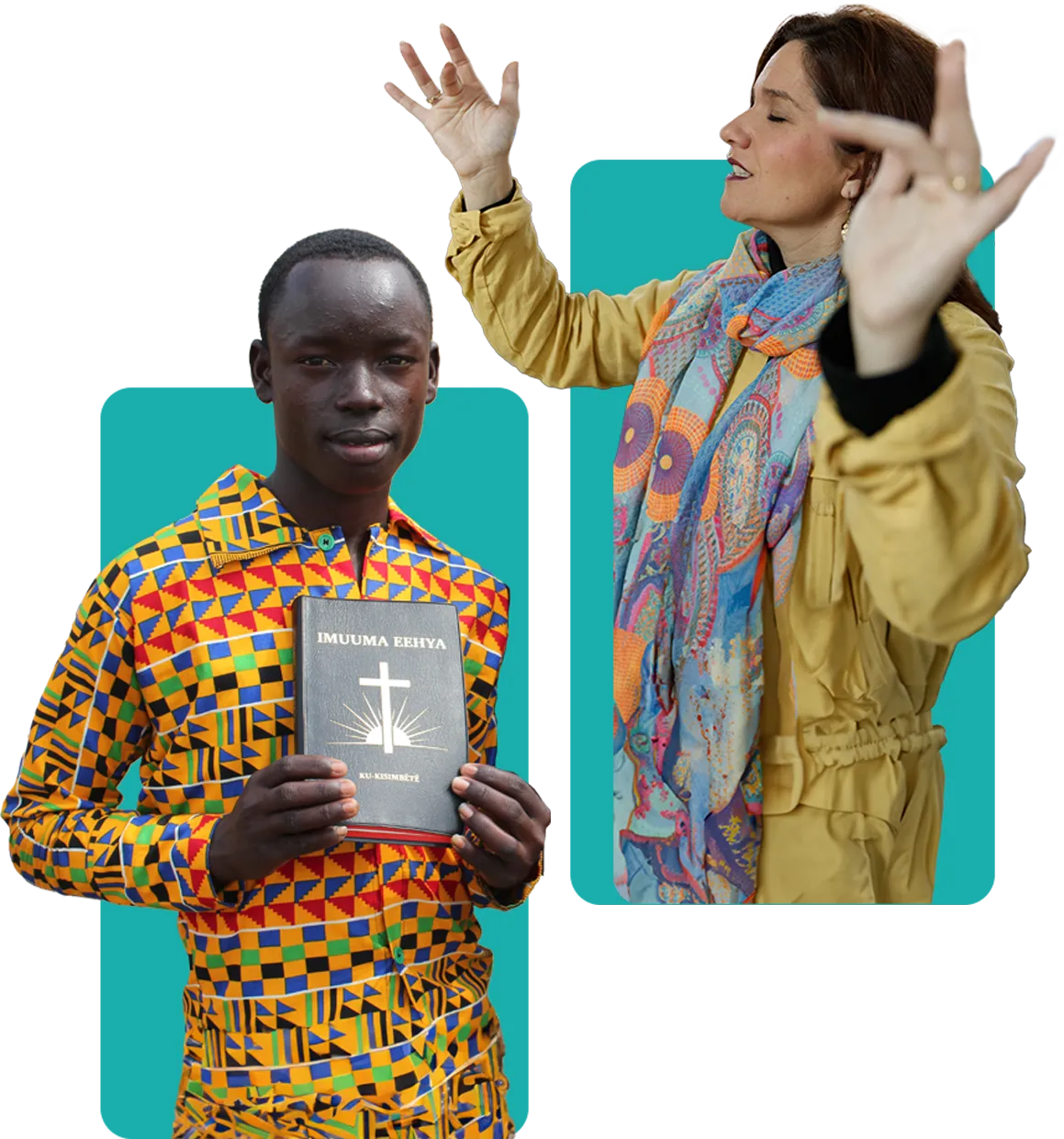
There are approximately 400 known sign languages in use worldwide — representing an estimated 70 million people. Until recently, it was believed that only 2% of the global Deaf population had been introduced to the gospel, making the Deaf one of the largest unreached people groups in the world.
But all of this is changing rapidly as the Word of God is being translated into more and more sign languages! Why is this so critical? Sign language is a visual language; signs, facial expressions and body posture are all essential for clear, effective communication. For Deaf people to understand Scripture fully, then, a visual Bible is necessary. When Scripture is translated into sign language, Deaf people can engage with God’s Word in both a language (sign language) and format (video) that resonates with their hearts.
Advancing the Great Commission
Before Jesus ascended to heaven, He gave His disciples a command that we now refer to as the Great Commission: “... I have been given all authority in heaven and on earth. Therefore, go and make disciples of all the nations, baptizing them in the name of the Father and the Son and the Holy Spirit. Teach these new disciples to obey all the commands I have given you. And be sure of this: I am with you always, even to the end of the age” (Matthew 28:18-20, NLT).
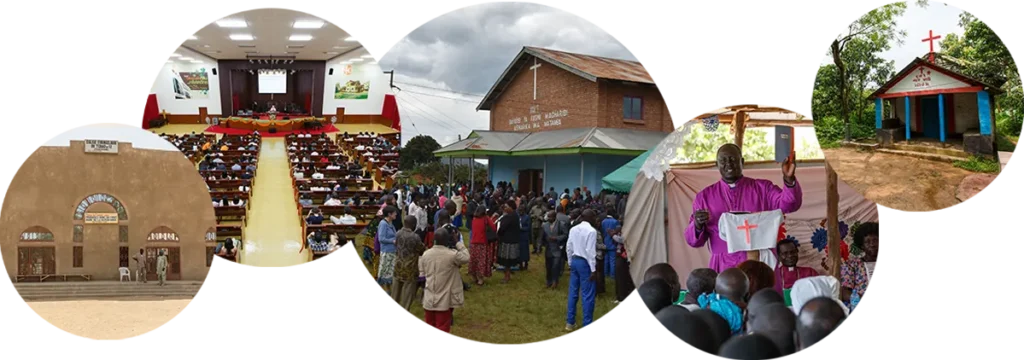
It wasn’t a suggestion; it was a call for every believer. For centuries, the global Church has been moving toward this goal of making disciples of all nations, and today we are closer than ever to seeing it fulfilled. Now is the time to respond with joyful obedience — to learn, to pray, to give and to engage.
The Great Commission isn’t reserved for a select few. No matter our stage of life, occupation or location, each of us is invited into God’s mission. Some will go, others will serve locally and many will support global efforts through prayer and financial partnership. At the heart of this call is the truth that the gospel is for every people group, every language and every culture.
But this isn’t a burden to bear reluctantly — it’s a joy to embrace! We get to participate in introducing people to Jesus in a language and format they clearly understand. We get to join hands with the body of Christ all around the world and watch God transform lives through His Word.
We get to be messengers of the gospel — messengers of this life-changing, radical joy that we experience in and through Christ — in all that we do and say. We get to show the world that God loves them and desires to fill them with joy too.
Your Part in This Work
So what does it look like to respond? For some, it means praying faithfully for Bible translation projects and the communities they serve. For others, it may mean giving generously to fuel this work or even starting a giving circle with friends or family. You might choose to share the vision with your church, small group, neighbors or coworkers so more people can join in. However God leads you, your joyful “yes” helps advance the mission of seeing all people have access to all Scripture.
Pray for Bible translation.
Support missionaries and translation.
Explore what it means to serve.
Get your church involved.
Share with family and friends.
In the meantime, let’s imagine the indescribable joy that we will experience one day when we’re worshipping together before the throne! There, we will see people from all corners of the world, praising God in the languages that He uniquely gifted them and used to capture their hearts. What a glorious, joy-filled day that will be!
All the nations you made will come and bow before you, Lord; they will praise your holy name. For you are great and perform wonderful deeds. You alone are God.